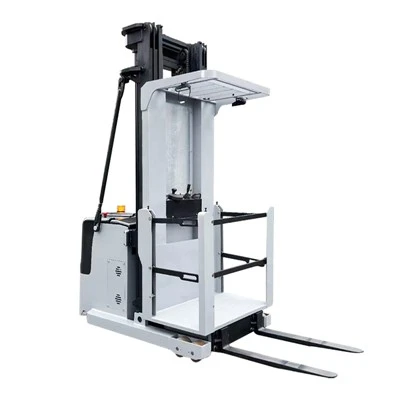
If you run a small warehouse, construction site, or rural logistics operation, you know how frustrating a broken-down self-loading forklift can be-especially when the temperature drops below freezing. Last winter, we had a customer call us at the height of a Midwest cold snap, panicking because their self-loading stacker had died mid-job moving construction materials at a bridge site. The problem? They'd only used their forklift for summer tasks, and none of their operators had adjusted their routine for frigid conditions. As a self-loading forklift supplier, we've learned over years of working with fleet managers, site foremen, and small business owners that cold weather doesn't have to derail operations-if you take the right proactive steps. Whether you're using a compact model like our 500Kg Self Loading And Unloading Lift Semi Electric Stacker, a 2-ton heavy-duty unit like our 2tons 3meters Electric Pallet Stacker CE Certificate, or a portable option for tight spaces, these cold-weather maintenance and operational measures will keep your equipment running when temperatures plummet.
First, let's talk about battery care-this is the biggest pain point for electric self-loading forklifts in cold weather. Lithium-ion and lead-acid batteries both lose efficiency as temperatures drop; lead-acid cells can lose up to 50% of their capacity at 0°F (-18°C), while lithium-ion batteries see a 20-30% dip in range until they warm up. The solution isn't just "charge more"-it's storing and maintaining batteries properly. We recommend never leaving a battery on-site in an unheated shelter overnight, even if it's fully charged. We've seen customers keep a spare battery indoors in a temperature-controlled area, so if one dies during a shift, they can swap it out quickly. For example, our customer with the bridge site switched to keeping two Portable Forklift 500kg Self Loading Lifter Stacker batteries-one on the forklift, one in their job trailer's heater-this simple cut their downtime by 80% last winter. Also, never charge a cold battery in one go; warm it to 50°F (10°C) first if you can, either by letting it sit indoors for a few hours or using a battery warming blanket (we supply these as add-ons for all our models, including the 500kg Self Loading Electric Pallet Stacker). Charging a frozen battery can damage cells permanently, leading to costly replacements.

Next, hydraulic system maintenance is non-negotiable in cold weather. Hydraulic fluid thickens when it's cold, which slows down lift speeds, causes jerky movements, and even strains the pump-leading to leaks or breakdowns. Many operators make the mistake of using a one-size-fits-all hydraulic fluid, but for cold climates, you need a low-viscosity fluid rated for sub-zero temperatures. For example, standard hydraulic fluid might turn into a thick sludge at 20°F (-7°C), but a multi-grade cold-weather fluid stays lubricated and flowable down to -20°F (-29°C). We always advise customers to check their hydraulic fluid before the first freeze of the season, and to replace it with the correct grade. We had a construction customer last year who skipped this step, using summer fluid in their Bridge Construction Machinery Walkie Pallet Stacker 500kg Self Loading Forklift-by January, their lift arm was moving at half speed, and they had to call us out for repairs that cost them a week of project delays. It's not just fluid, either: check all hydraulic lines for cracks or stiff seals before cold sets in. Rubber seals harden in low temperatures, leading to leaks, so replacing any worn seals in fall will save you headaches later.
Operational adjustments are another key piece of the puzzle. Even if your forklift is maintained correctly, how you use it changes in cold weather. Operators should warm up the forklift before starting work, just like you would a car. Let it idle for 3-5 minutes (for electric models, this means turning it on and letting the battery power circulate, not just moving it immediately) to warm up the battery and hydraulic system. Avoid heavy lifts when the equipment is still cold-starting with light, small loads will help all the components expand and adjust properly without strain. Also, pay attention to surface conditions: ice and snow on the ground reduce traction, especially for compact self-loading forklifts that are lightweight. Keep work areas clear of ice, use rubber tracks or anti-slip tires (we offer these as custom options for all our models) to improve grip, and avoid sharp turns on slippery surfaces, which can tip the forklift. We always train new operators on these tips, but even seasoned veterans need a quick refresher before winter hits.

Tire and wheel care is often overlooked, but it's critical for cold-weather performance. For pneumatic tires, cold air can cause pressure to drop significantly-for every 10°F drop, tire pressure drops by about 1 PSI. So before the cold season, check tire pressure weekly, and adjust it to the manufacturer's recommended level for cold conditions. Solid rubber tires (common on compact self-loading forklifts) are more durable, but they can become brittle in extreme cold, developing cracks that lead to flats. Inspect tires for small cracks every month during winter, especially if you're working on rough sites like construction or rural farms. If you notice any cracks, replace the tire immediately-driving on a brittle tire in cold weather can cause it to split, leaving you stranded mid-job. For our portable Portable Forklift 500kg Self Loading Lifter Stacker, we recommend using dual front tires for extra stability on slippery ground, a small upgrade that makes a big difference in winter.
Finally, storage and regular checks when the forklift isn't in use. If you're not using your self-loading forklift every day in cold weather, don't leave it outside in the elements. Store it in a heated, enclosed space if possible-even a uninsulated shed is better than being exposed to sub-zero temperatures, wind, and snow. If you have to leave it outside, cover it with a weatherproof tarp that seals tightly around the base to keep moisture out. Moisture leads to rust on metal parts and can freeze in moving components like lift arms, steering columns, and wheel axles. Also, run a quick pre-shutdown check every night: lower the lift arm fully, turn off all power, and disconnect the battery if possible. If you leave the battery connected, it will drain faster in cold weather, and the residual power can cause small electrical issues that add up over time. We supply a battery disconnect tool with every forklift we sell, to make this step easy for operators.
As a self-loading forklift supplier, our goal is to help our customers avoid downtime, no matter the season. Whether you're moving pallets in a frozen warehouse, lifting materials at a construction site in winter, or transporting goods on rural roads where heating is limited, taking these proactive steps will keep your equipment working reliably. We've tested all our models-from the compact 500Kg Self Loading And Unloading Lift Semi Electric Stacker to the heavy-duty 2tons 3meters Electric Pallet Stacker CE Certificate-in cold climates across North America and Europe, and these measures are the ones that consistently help our customers succeed. If you're in the market for a self-loading forklift for cold-weather use, or if you need more tailored maintenance tips for your current equipment, we're here to help. Reach out to our team to discuss your needs, and we'll guide you to the right model and support to keep your operations running smoothly all winter long.
References
OSHA. (2022). Cold Weather Safety Guidelines for Powered Industrial Trucks. Occupational Safety and Health Administration.
Material Handling Industry Association. (2021). Cold Climate Maintenance Standards for Electric Forklifts. MHIA Technical Report.
S&P Global. (2023). Global Self-Loading Forklift Market: Cold Weather Operational Trends. Industrial Equipment Research.