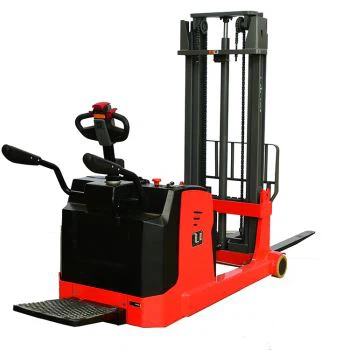
1.What is a forklift safety valve?
The forklift safety valve is an important safety device in the forklift hydraulic system. Its working principle is to open and close according to the changes in the system working pressure. When the system pressure is within the normal range, the safety valve remains closed; once the system pressure exceeds the set value, the safety valve automatically opens to release excess pressure, thereby preventing the equipment from being damaged or causing serious accidents such as explosions due to overpressure.

2. The role of the forklift safety valve
(I) Protecting equipment and pipeline safety
Preventing overpressure damage: During the operation of the forklift, such as forking heavy objects, if the hydraulic system pressure is too high, without the protection of the safety valve, the cylinder, pipeline, valve and other components may burst and be damaged due to the inability to withstand excessive pressure. The safety valve can ensure that the system pressure does not exceed the limit that these components can withstand, and guard the hydraulic system of the forklift like a "pressure guardian".
Dealing with special working conditions: When the forklift has a valve jam or other faults, the pressure of the hydraulic system will increase abnormally, and the safety valve will play a role at this time to protect the relevant cylinders and pipelines and other components from serious damage.

(II) Intelligent pressure regulation
Automatic opening and pressure reduction: The safety valve can automatically open when the system pressure exceeds the preset threshold, release part of the pressure, reduce the system pressure to a safe range, and prevent potential risks caused by excessive pressure. This process does not require human intervention and is an automatic safety protection mechanism, just like some safety devices in a car, which always monitor the system status and respond when necessary.
(III) Double protection mechanism
Used in combination with bursting discs: The safety valve can be combined with bursting discs to form a double safety barrier. When the system is overpressured, the safety valve will act first to release part of the pressure; if the safety valve fails to open in time due to a malfunction or the pressure continues to rise after opening, the bursting disc will serve as a backup protection and quickly rupture when it reaches its set pressure to ensure system safety. This double protection mechanism greatly improves the safety and reliability of the forklift hydraulic system.
(IV) Adapt to diverse working conditions
Meet different needs: Forklifts work under different working conditions and face different pressures, media and other conditions. Different working conditions and media have different requirements for safety relief devices. Safety valves can adapt to these diverse needs and provide protection for the safe operation of forklift hydraulic systems under various circumstances.
3. Types of forklift safety valves
Spring type: The seal between the valve disc and the valve seat relies on the force of the spring. This type of safety valve has a relatively simple structure and controls the opening and closing pressure of the valve through the elasticity of the spring. It is more common in forklift safety valves.
Lever type: The seal between the valve disc and the valve seat is achieved by the force of the lever and the weight. The lever type safety valve uses the principle of lever to change the opening pressure of the safety valve by adjusting the position of the weight.
Pulse type (pilot type): It consists of a main safety valve and an auxiliary valve. When the medium pressure in the pipeline exceeds the specified pressure value, the auxiliary valve opens first, the medium enters the main safety valve along the conduit, and the main safety valve is opened to reduce the increased medium pressure. This type of safety valve is suitable for large-capacity demand situations.