

For global procurement managers, logistics fleet operators, and heavy machinery distributors, choosing the right material handling equipment is one of the most critical decisions affecting operational efficiency and long-term profitability. When it comes to outdoor environments-such as busy seaports, sprawling lumber yards, construction sites, and open-air manufacturing storage-the debate between Diesel Forklifts and Electric forklifts has reached a turning point.
Historically, internal combustion engines dominated rugged, rain-soaked, and uneven outdoor terrains. However, rapid advancements in electric battery technology and chassis engineering have fundamentally disrupted this status quo.
As a leading global manufacturer of high-quality forklifts, we understand that B2B buyers do not just purchase a machine; they invest in an asset that must deliver maximum uptime, low Total Cost of Ownership (TCO), and high return on investment (ROI).
This comprehensive technical guide will break down the structural, operational, and financial differences between internal combustion power and electric innovation in outdoor applications, helping your business optimize its fleet procurement strategy.

一: The Outdoor Operational Powerhouse – Deep Dive into Diesel, Gasoline, and LPG Forklifts
The Mechanical Supremacy of Internal Combustion Engines in Rugged Environments
When operations demand non-stop lifting of heavy, bulky loads across unpaved surfaces, traditional internal combustion (IC) forklifts remain a formidable force. Within this category, Diesel Forklifts stand out as the heavyweights of the material handling industry. Engineered with robust blocks and high-torque engines, these units excel in moving massive loads ranging from 1 to over 10 tons.
For outdoor yards characterized by deep mud, gravel, loose dirt, or steep inclines, diesel-powered units provide raw, continuous torque at low RPMs. This mechanical advantage ensures the truck can climb steep ramps and navigate slippery terrains without losing lifting or driving momentum.
Alongside diesel, Gasoline and LPG Forklifts (Liquefied Petroleum Gas) offer a highly versatile alternative. While gasoline models are less common in modern fleets due to fuel costs, LPG variants are heavily utilized by B2B distribution networks. LPG units provide a crucial bridge: they deliver the high-speed performance and rapid acceleration of an IC engine, combined with slightly cleaner emissions, allowing for occasional transitions into well-ventilated indoor staging areas.
Unmatched Environmental Resilience and Weatherproofing
Outdoor material handling operations cannot stop for a sudden rainstorm, freezing winter temperatures, or extreme desert heat. This is where IC forklifts inherently shine. Because their powertrains rely on mechanical combustion rather than sensitive electronic circuitry, they possess a natural resistance to water ingress, high humidity, and dust contamination.
A diesel or LPG truck can operate continuously through heavy downpours with zero risk of electrical short-circuiting. Furthermore, these machines are equipped with large, heavy-duty pneumatic tires (either air-filled or solid pneumatic) and high ground clearance. This structural layout protects the undercarriage from rocks, debris, and uneven ground impacts common in scrap yards and port terminals.
The B2B Continuity Advantage: 24/7 Rapid Refueling
From a fleet management perspective, time is money. In high-throughput, multi-shift logistics operations, machine downtime equates to thousands of dollars in lost productivity. IC trucks offer a clear advantage in operational continuity.
When a diesel truck runs out of fuel, a fleet operator simply drives to an on-site fuel station, refills the tank within 2 to 3 minutes, and immediately returns to work. For Gasoline and LPG Forklifts, the process is equally efficient-exhausted LPG cylinders are unlatched and replaced with fresh tanks in less than 5 minutes. This eliminates the multi-hour waiting periods traditionally associated with battery charging cycles, making IC fleets highly attractive for heavy-duty 24/7 supply chain workflows.

二: The New Era of Outdoor Handling – The Rise of Electric and 3-Wheel Electric Forklifts
Overcoming the Outdoor Electronic Barrier with AC Technology and IP Ratings
For decades, Electric forklifts were confined exclusively to indoor, clean-floor warehouse environments. Early generations suffered from fragile electronics, low ground clearance, and batteries that degraded rapidly when exposed to moisture or cold weather.
Today, as a pioneering manufacturer, we have rewritten those rules. Modern industrial electric trucks are now engineered with heavy-duty alternating current (AC) drive motors that are completely sealed against dust and water ingress, boasting high IP (Ingress Protection) ratings such as IP65 or IP67.
This sophisticated waterproofing allows electric units to operate safely in outdoor loading docks and rain-slicked container yards. By eliminating carbon brushes and commutators, enclosed AC motors deliver consistent power that rivals small-to-medium internal combustion engines, making them fully capable of handling outdoor duty cycles.
The Versatility of 3-Wheel Electric Forklifts in Combined Indoor-Outdoor Loading Zones
While heavy outdoor yards require large-tonnage 4-wheel configurations, many B2B logistics setups require a flexible vehicle that can bridge outdoor yards with narrow indoor racking aisles. This is where 3-Wheel Electric Forklifts offer a game-changing solution for fleet managers.
Featuring a dual-motor front-wheel drive and a centralized rear steer wheel, these compact forklifts possess a near-zero turning radius. In outdoor applications, they are highly effective for:
Unloading delivery vans and flatbed trucks on paved outdoor staging pads.
Navigating tight loading docks where space is constrained by incoming shipping containers.
Transporting materials instantly from outdoor receiving areas directly into narrow indoor warehouse lanes.
By deploying 3-Wheel Electric Forklifts, wholesale distributors can optimize their fleet size, utilizing a single machine for dual-zone material handling instead of buying separate indoor and outdoor units.
The Lithium-Ion Revolution and Opportunity Charging
The widespread adoption of Lithium-ion (Li-ion) battery technology has eliminated the operational hurdles of traditional lead-acid batteries. Modern lithium-powered electric trucks offer a phenomenon known as "opportunity charging."
Instead of requiring 8 hours to charge and another 8 hours to cool down, lithium batteries can be plugged in during short 15-to-30-minute worker breaks or lunch hours. This rapid energy intake keeps the machine operating across multiple shifts without ever needing a battery swap.
Additionally, lithium batteries maintain a consistent voltage output throughout their entire discharge cycle, ensuring that the truck's driving speed and hydraulic lifting power do not degrade as the battery charge drops.

三: Head-to-Head Comparison for Outdoor Environments (The Core B2B Dilemma)
To help international procurement officers and heavy equipment distributors make data-driven decisions, we must analyze the direct trade-offs between these two power sources across four critical business vectors: Capital Expenditure, Operating Expenses, Maintenance, and Regulatory Compliance.
1. Capital Expenditure (CapEx) vs. Operational Expenditure (OpEx)
The financial profiles of these forklifts represent opposite investment strategies.
Internal Combustion (Diesel/LPG): Features a significantly lower initial purchase price. For global distributors looking to acquire a large fleet quickly with limited upfront capital, IC trucks are highly accessible. However, their long-term operational expenses are tied directly to fluctuating global fossil fuel prices and frequent oil change cycles.
Electric Models: Require a higher upfront capital investment, primarily due to the cost of industrial lithium-ion batteries and specialized charging infrastructure. However, their OpEx is remarkably low. Electricity costs per hour of operation are a fraction of diesel or LPG costs, allowing B2B buyers to achieve a full return on investment (ROI) within 18 to 24 months of high-intensity operation.
2. Maintenance Complexity and Fleet Downtime
Industrial equipment maintenance directly impacts a company's bottom line.
Diesel Forklifts contain thousands of moving parts, including internal pistons, fuel injectors, transmission systems, air filters, and complex exhaust after-treatment systems (such as Diesel Particulate Filters or DPF). These components require routine engine oil changes, filter replacements, and mechanical tuning, which increases scheduled downtime.
Electric forklifts, by contrast, feature an elegant, highly simplified mechanical design. They have no engines, no transmissions, no spark plugs, and no radiators. With fewer moving parts subject to friction and wear, scheduled maintenance costs drop by up to 70%, resulting in significantly higher fleet availability and fewer unexpected breakdowns in the field.
3. Comprehensive Performance Comparison Matrix
For quick reference during corporate procurement meetings, our engineering team has synthesized the outdoor performance attributes into the matrix below:
|
Performance & Financial Vectors |
Diesel / LPG Powered Forklifts |
Electric / Lithium-Ion Powered Forklifts |
|
Initial Purchase Cost (CapEx) |
Low to Moderate (Highly budget-friendly upfront) |
Higher Upfront (Investment in battery technology) |
|
Long-Term Fuel & Energy Cost |
High (Dependent on diesel/LPG fuel markets) |
Very Low (Highly efficient electricity consumption) |
|
Terrain Adaptability |
Exceptional (Mud, deep gravel, unpaved terrain) |
Excellent on Paved/Packed Surfaces (Evolving for rough yards) |
|
Weather Resistance |
Native Performance (Immune to extreme rain/cold) |
High (Requires IP65/IP67 rated sealing) |
|
Maintenance & Spare Parts Cost |
High (Requires oil, filters, engine overhauls) |
Minimal (No engine components to service) |
|
Emissions & ESG Compliance |
High Emissions (Requires outdoor ventilation) |
Zero Emissions (Perfect for green fleet mandates) |
|
Average Operational Lifespan |
10,000 - 15,000 Hours (Before major engine rebuild) |
20,000+ Hours (Highly durable solid-state systems) |
4. Environmental Regulations, ESG, and Workplace Safety
Global trade and logistics are facing stricter environmental regulations. Governments across Europe, North America, and parts of Asia are enforcing stringent emission standards (such as Euro Stage V and US EPA Tier 4 Final) on diesel-powered industrial machinery. Operating older diesel equipment can lead to regulatory penalties and limits access to certain corporate supply chains that mandate carbon reductions.
Electric machinery solves this regulatory hurdle instantly. Producing zero tailpipe emissions, they allow international logistics providers to meet strict Environmental, Social, and Governance (ESG) criteria.
Furthermore, electric trucks operate almost silently. In noisy outdoor environments like ports or manufacturing yards, reducing ambient noise levels significantly improves operator situational awareness, helping to lower the risk of workplace injuries and fleet accidents.

四: Manufacturer's Fleet Selection Blueprint – How to Choose the Right Material Handling Fleet for Your Business
As a premier factory-direct manufacturer managing industrial setups and global B2B procurement networks, we know that there is no one-size-fits-all answer to this debate. The optimal choice depends on a clear assessment of your specific operational variables.
Use our manufacturing blueprint below to determine which forklift architecture aligns with your business goals:
1. Evaluate Your Physical Ground Terrain
Choose Diesel or LPG: If your facility consists of raw, unpaved ground, steep muddy inclines, uneven construction zones, or heavy gravel paths. The high ground clearance and robust mechanical torque of an internal combustion engine are essential to handle these demanding stresses without straining the chassis.
Choose Electric: If your outdoor operations take place on concrete staging yards, asphalt loading bays, paved shipping docks, or tightly packed gravel surfaces. Modern electric models equipped with heavy-duty solid pneumatic tires handle these surfaces effortlessly while delivering maximum energy efficiency.
2. Analyze Your Daily Shift Intensity and Uptime Structure
Deploy an IC Fleet: If your logistics terminal runs continuous, high-intensity 24-hour operations where every second counts, and you cannot afford to wait for charging infrastructure development. The immediate refueling capability of diesel and LPG keeps your supply chain moving non-stop.
Deploy a Lithium Electric Fleet: If your facility runs 1 to 2 shifts per day, or if your operational workflow permits short, scheduled break intervals. By utilizing opportunity charging during employee downtime, a lithium-powered truck can run indefinitely across multiple shifts, unlocking massive fuel savings that flow straight to your bottom line.
3. Consider Your Combined Indoor-Outdoor Workflow Flexibility
If your material handling process requires drivers to pick up heavy loads from raw outdoor storage and drive deep into enclosed, indoor manufacturing areas or narrow warehouse racking systems, Electric forklifts-and specifically highly maneuverable 3-Wheel Electric Forklifts-are the only viable choice. They eliminate the danger of hazardous carbon monoxide buildup indoors while saving space in tight racking environments.
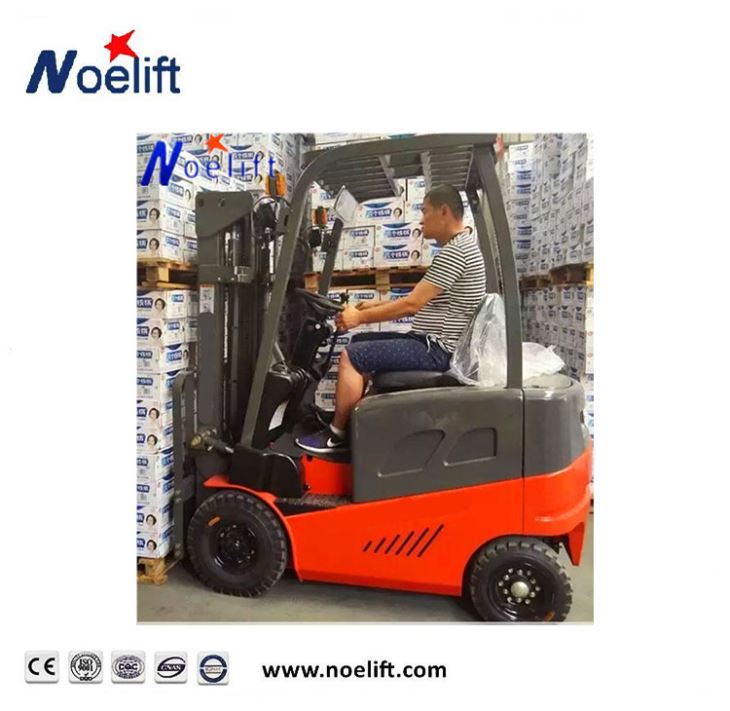
Conclusion & Factory-Direct Partnership Strategy
In the ultimate matchup between diesel and electric for outdoor use, the right choice comes down to balancing operational reality with long-term financial strategy. Diesel forklifts remain unmatched for extreme, raw terrains and non-stop heavy lifting. At the same time, high-IP-rated electric forklifts represent the future of efficient, low-maintenance, and eco-friendly logistics.
Why Partner with Us for Your Fleet Procurement?
As an established, world-class material handling equipment manufacturer, our mission is to empower your business with high-performance assets tailored to your exact operational challenges. We support global distributors, logistics firms, and industrial fleet operators with:
Comprehensive OEM & ODM Engineering: Whether you need customized lifting heights for large-tonnage Diesel Forklifts, specialized attachments, or private-label branding on a fleet of Electric forklifts, our factory handles it directly.
Industrial-Grade Construction: From our seamless structural tubing fork legs to premium hydraulic systems utilizing world-renowned Japanese NOK seals, our machines are engineered to minimize downtime and survive the harshest environments.
Global Supply Chain & Wholesale Support: We offer flexible Minimum Order Quantities (MOQ), tiered volume discounts, full international certification compliance (CE, ISO9001), and an expedited global spare parts supply system to keep your operations moving.
Ready to optimize your material handling efficiency and maximize your fleet ROI? Contact our factory engineering specialists today to request a detailed technical consultation, a customized wholesale quotation, or a comprehensive product catalog. Let's build a reliable, high-performance supply chain together.


