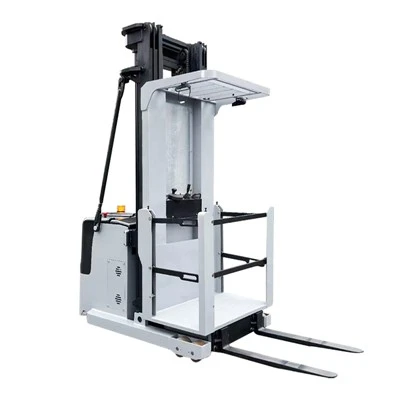
If you're running a warehouse, construction site, or logistics yard that relies on heavy lifting, a 5-ton diesel telescopic forklift is basically your workhorse. These things aren't just regular forklifts-they combine the reach of a telehandler with the power of a heavy-duty diesel engine, so they can handle pallets, equipment, even construction materials in tight spaces or uneven terrain. But here's the thing: a machine this reliable only stays that way if you keep up with consistent, targeted maintenance. As someone who's been supplying and supporting these rigs for years, I've seen first-hand what happens when maintenance gets skipped-flat big jobs, unexpected breakdowns, and way more costs than a scheduled tune-up would've cost. In this post, I'm breaking down exactly what maintenance your 5-ton diesel telescopic forklift needs, and when to bring in a pro instead of trying to fix it yourself.
First, let's start with the daily checks. These are the 10-minute tasks you should do before you even turn the key, no matter how busy your shift is. Skipping these is like driving a car without checking the oil-you're asking for trouble. For the diesel engine (which is the heart of your 5-ton lift), start with the basics: engine oil level and condition, coolant levels (both for the engine and the hydraulic system, since diesel rigs run hot), and fuel levels-duh, but I've seen guys run out of mid-lift because they forgot to top up. Next, the telescopic boom itself: make sure the pins that let it extend and retract are lubricated, no cracks or bends in the boom arms, and the tilt cylinders are working smoothly. Don't forget the tires-these are heavy machines, and underinflated tires not only kill fuel efficiency but can cause the forklift to tip on uneven ground, which is a huge safety risk. Also, check the brakes (service and parking) and the load backrest-if that's loose, a heavy pallet could slide off mid-lift. Oh, and the horn and lights? You might be working in a dim warehouse or a construction site at dusk-those aren't just accessories, they're safety stuff.
Weekly checks take a bit more time, around 30 minutes, and they're where you catch small problems before they turn into big repairs. First, change the engine oil and filter-wait, don't just go by the owner's manual. If you're running your 5-ton lift 10+ hours a day, hauling heavy loads (think pallets stacked to the max or even small construction equipment), you should shorten that interval from the standard 250 hours to 200. Diesel engines love clean oil, and with 5-ton loads putting extra stress on the parts, dirty oil will wear down the cylinders faster. Next, check the hydraulic system-this is what powers the boom, forks, and tilt. Inspect all hoses for cracks, bulges, or leaks; even a small hydraulic leak can lead to low pressure, making it hard to lift 5 tons. Also, top up the hydraulic fluid with the right type-diesel telescopic forklifts need specific hydraulic fluid, not just any stuff. Don't forget the air filter, either. If you're working in a dusty construction site or a warehouse with lots of debris, a clogged air filter makes the engine work harder, burning more fuel and reducing power. And since tires take a beating every week, check the tread for wear and tighten any loose lug nuts-you don't want a tire falling off mid-operation.
Monthly maintenance is where we get into deeper checks, usually done after 40-50 hours of use or once a month, whichever comes first. This is when you go beyond the obvious parts and look at the systems that keep your forklift running long-term. For the diesel engine, drain the water separator-diesel fuel has moisture, and if that builds up, it can damage the fuel injectors. Injectors are expensive, so draining that water every month is a cheap insurance policy. Next, inspect the boom's pivot points and the fork carriages-grease those with a lithium-based grease rated for heavy loads; I've seen guys use regular grease, which breaks down fast under the constant stress of extending and retracting the boom. Also, check the battery (if it's a diesel, it's a heavy-duty starting battery) for corrosion on the terminals-corrosion can kill the battery faster, leading to dead forklifts on shift. Don't forget the cooling system: flush it if you notice rust or debris in the coolant, since overheating is one of the top causes of diesel engine failure in 5-ton lifts. And since a lot of our customers also use related diesel lifting gear, like the CONTAINER DIESEL FORKLIFT, which has similar engine and hydraulic setups, the maintenance overlap means you can stick to a consistent schedule across your fleet.
Quarterly maintenance (every 200-250 hours) is when you do more in-depth servicing that shouldn't be skipped, even if you're short on time. This is the time to change the fuel filter-diesel fuel picks up gunk over time, and a clogged fuel filter reduces engine power, which is a big deal when you're lifting 5 tons. Next, inspect the brakes: check the brake pads for wear, the brake lines for leaks, and adjust the parking brake so it holds the forklift on sloped ground. For the telescopic boom, do a full inspection for structural damage-even a small crack in the boom can get bigger with each lift, leading to a safety hazard. If you're using attachments regularly, like the Diesel Forklift With Attachments Paper Roll Clamp, make sure those attachments are checked too-their hydraulic lines and pins get just as much use as the main forklift's. Also, test the emergency stop button on the forklift-this is a critical safety feature, and it needs to work every time. A lot of guys forget this, but if it fails when you're lifting a 5-ton load, it can lead to a serious accident.

Now, let's talk about common mistakes I see customers make when maintaining their 5-ton diesel telescopic forklift. One big one is using the wrong fluids-using regular engine oil instead of heavy-duty diesel oil, or the wrong hydraulic fluid, leads to way more wear. Another is skipping maintenance to save money-when a forklift breaks down, you have to stop work, which costs way more than a $50 oil change. I had a customer last year who skipped a hydraulic hose check, and the hose burst mid-lift, dropping a pallet of concrete blocks and damaging the boom-cost him $3,000 in repairs and a week of downtime. That's way more than the $20 hose replacement would've been. Also, not keeping a maintenance log-tracking when you did oil changes, filter replacements, and checks helps you spot patterns, like if your air filters are clogging faster than usual because of a dusty worksite, so you can adjust your schedule.
If you're in the market for a 5-ton diesel telescopic forklift, or need reliable lifting gear that's easy to maintain, we've got you covered. We also carry other diesel forklifts, like the 3000KG Diesel Forklift Pallets Stacker Forklift Machine for lighter loads, and Heavy Forklift for even bigger projects, so you can build a fleet that fits your needs. Our team knows exactly what maintenance these rigs need, and we can help you set up a schedule that works for your use. Whether you're running a small warehouse or a big construction site, consistent maintenance is the key to keeping your 5-ton diesel telescopic forklift running for years.
If you have questions about maintenance for your 5-ton diesel telescopic forklift, or want to learn more about the gear we supply, reach out to our team to chat about your needs. We're here to help keep your lift and your operations running smoothly.
References
- OSHA. (2022). Forklift Maintenance and Safety Guidelines. Occupational Safety and Health Administration.
- Diesel Technology Forum. (2021). Heavy-Duty Diesel Engine Maintenance Best Practices.
- Telehandler Association of North America. (2023). Telescopic Forklift Structural and Hydraulic Maintenance Standards.
- International Organization for Standardization. (2020). ISO 18878: Mobile lifting appliances - Forklift trucks - Maintenance and inspection.